
urban consumers guide
Understanding Urban Consumer Behavior
Urban consumers prioritize digital convenience, social proof, and wellness. They gravitate toward reliable VPNs for privacy, follow lifestyle brands on Instagram, and seek flexible fitness options. Mobile ordering, peer reviews, and local community events shape their purchasing decisions. Their choices blend tech, fitness, and community vibes daily.!!

Transportation and Mobility
Urban commuters value speed, safety, and sustainability. They rely on reliable public transit, ride‑sharing, and micro‑mobility options like e‑bikes and scooters. Digital apps streamline payments, track routes, and offer real‑time updates, making city travel efficient and eco‑friendly. They also use bike‑share and scooter rentals to cut travel tim
Public Transit Infrastructure
Urban consumers expect seamless, safe, and tech‑enabled public transit. They rely on real‑time data, mobile ticketing, and integrated networks that connect buses, subways, trams, and bike‑share programs. Reliability is paramount; frequent delays erode trust and push riders toward ride‑sharing or micro‑mobility. Cities that invest in modern signaling, clean energy vehicles, and inclusive design see higher ridership and lower carbon footprints. Digital platforms that aggregate schedules, provide step‑by‑step navigation, and offer dynamic pricing empower commuters to plan efficient journeys. Accessibility features—audio announcements, tactile maps, and wheelchair ramps—ensure equity. Public transit also serves as a social hub, fostering community interaction and economic activity along corridors. Urban planners increasingly collaborate with tech firms to deploy AI‑driven demand forecasting, adaptive signal control, and predictive maintenance, reducing outages and improving service quality. When transit infrastructure aligns with consumer expectations, cities experience reduced congestion, healthier lifestyles, and stronger local economies. Thus, prioritizing connectivity, sustainability, and user experience is essential for meeting the evolving needs of modern city dwellers.
Urban mobility thrives on integrated solutions. Urban mobility thrives on integrated solutions. Urban mobility thrives on integrated solutions. Urban mobility thrives on integrated solutions. Urban mobility thrives on integrated solutions. Urban mobility thrives on integrated solutions. Urban mobility thrives on integrated solutions. Urban mobility thrives on integrated solutions. Urban mobility thrives on integrated solutions. Urban mobility thrives on integrated solutions. Urban mobility thrives on integrated solutions. Urban mobility thrives on integrated solutions. Urban mobility thrives on integrated solutions. Urban mobility thrives on integrated solutions. Urban mobility thrives on integrated solutions. Urban mobility thrives on integrated solutions.!!!
Ride‑Sharing and Micro‑Mobility

Urban consumers increasingly turn to ride‑sharing apps and micro‑mobility solutions—electric scooters, bikes, and shared cars—to navigate dense city grids. The appeal lies in flexibility, lower cost, and instant availability. Mobile platforms provide real‑time vehicle locations, dynamic pricing, and seamless payment, allowing riders to plan trips in minutes. Data shows that 62% of city dwellers use at least one micro‑mobility mode weekly, while 48% rely on ride‑sharing for daily commutes. These services also reduce parking demand and traffic congestion, aligning with municipal sustainability goals. However, safety concerns persist; cities are implementing dedicated lanes, helmet mandates, and stricter speed limits to protect users. Integration with public transit is key: many operators now offer “first‑last mile” options, linking bike‑share docks to subway stations; Consumer trust hinges on transparent fare structures, reliable vehicle maintenance, and responsive customer support. As technology evolves, autonomous ride‑sharing pods and AI‑optimized routing promise even greater efficiency. Ultimately, the success of ride‑sharing and micro‑mobility depends on continuous investment in infrastructure, regulatory clarity, and user education.
Subscription models, flexible pricing, and integrated payment systems have democratized shared transportation. Community feedback loops, like in‑app ratings, help operators refine service quality; Partnerships between city governments and private mobility firms create shared revenue streams to fund infrastructure upgrades. As data analytics mature, operators predict demand surges, adjust fleet distribution, and reduce idle times. This proactive approach enhances rider experience, optimizes resource use, and lowers emissions and operational costs. Ultimately, consumer expectations, tech innovation, and public policy together shape urban mobility, keeping ride‑sharing and micro‑mobility essential to city life!!
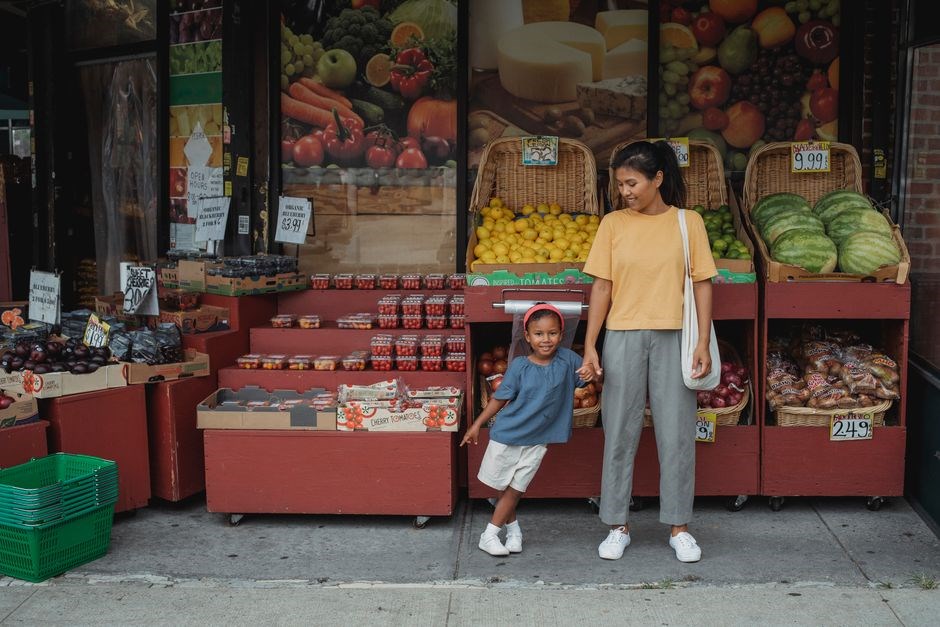
Housing and Urban Living
Urban dwellers seek flexible, tech‑savvy housing. Co‑living hubs offer shared amenities, smart locks, and community events, boosting social ties. Rentals cater to transient workers,US while apartments maximize space. DigitalUS platforms streamline leasing, virtualUS tours,US and instant payments, enhancing convenience.
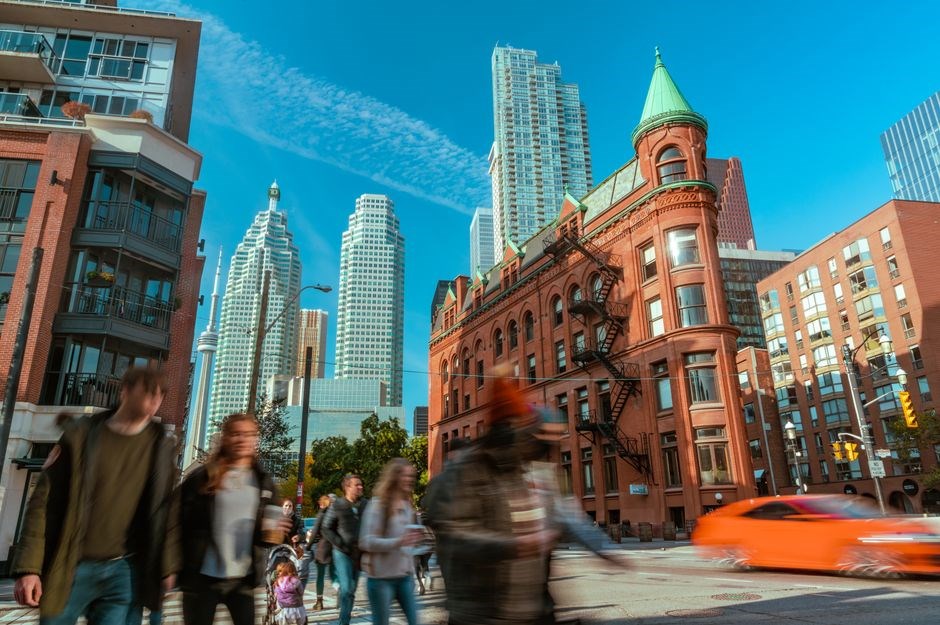
Apartment Leasing and Shared Housing
Urban apartment leasing has evolved into a dynamic ecosystem that blends technology, community, and flexibility. Modern tenants now expect instant online applications, digital lease signing, and real‑time communication with property managers. Platforms that integrate virtual tours, AI‑driven price comparisons, and neighborhood analytics empower renters to make informed decisions quickly. Shared housing, in particular, has surged in popularity among millennials and Gen Z, driven by the desire for affordable living, social interaction, and the ability to share utilities and amenities. Co‑living spaces often feature communal kitchens, shared workstations, shared social events, fostering a sense of belonging in otherwise isolated urban environments. These arrangements also reduce individual costs, allowing residents to allocate more funds toward experiences, travel, or savings. Additionally, the rise of short‑term rental marketplaces has blurred the lines between traditional leasing and flexible living, giving renters the option to switch locations with minimal hassle. Additionally, property owners and developers are responding by offering hybrid models that combine long‑term leases with short‑term options, thereby attracting a broader demographic. The integration of smart home technology—such as keyless entry, energy‑saving devices, and IoT‑enabled appliances—has become a selling point for tech‑savvy tenants. Moreover, sustainability has become a core consideration; many tenants prioritize buildings with green certifications, renewable energy sources, and waste‑reduction initiatives. In the competitive urban market, landlords who provide transparent pricing, responsive maintenance, and community‑building activities tend to retain tenants longer. Finally, the impact of the gig economy and remote work has shifted preferences toward apartments that offer flexible lease terms, high‑speed internet, and dedicated workspaces. These trends collectively shape the modern urban housing landscape, making apartment leasing and shared housing more adaptable than ever before.
They prioritize safety, noise control, and flexible lease terms, ensuring a that supports workand personal growth.!!??!!!
Urban Rental Market Trends
Urban rental markets are reshaping themselves under the influence of technology, shifting demographics, and evolving lifestyle preferences. The rise of short‑term and flexible lease options has empowered renters to choose accommodations that fit their itineraries, whether for work, study, or leisure. Platforms that aggregate listings, provide AI‑driven price alerts, and offer virtual tours have become essential tools for both tenants and landlords. In cities where housing affordability remains a pressing concern, shared housing models—co‑living spaces, roommate matching services, and micro‑apartments—have surged, offering lower costs and community engagement. Meanwhile, sustainability has entered the rental conversation, with tenants increasingly demanding energy‑efficient appliances, renewable‑energy sources, and green building certifications. Smart home integration, such as keyless entry, automated lighting, and smart thermostats, is becoming a standard feature in new developments. The gig economy and remote work trends have further shifted demand toward properties with dedicated workspaces, high‑speed internet, and flexible lease terms that accommodate frequent relocations. Landlords who provide transparent pricing, responsive maintenance, and community‑building activities tend to retain tenants longer. Regulatory changes, such as rent‑control measures and eviction protections, also shape market dynamics, influencing both supply and demand. Overall, the urban rental landscape is becoming more dynamic, tech‑driven, and tenant‑centric, reflecting the evolving needs of modern city dwellers. The market also sees a rise in co‑ownership models and digital lease agreements, offering unprecedented flexibility for renters Future trends favor eco‑friendly
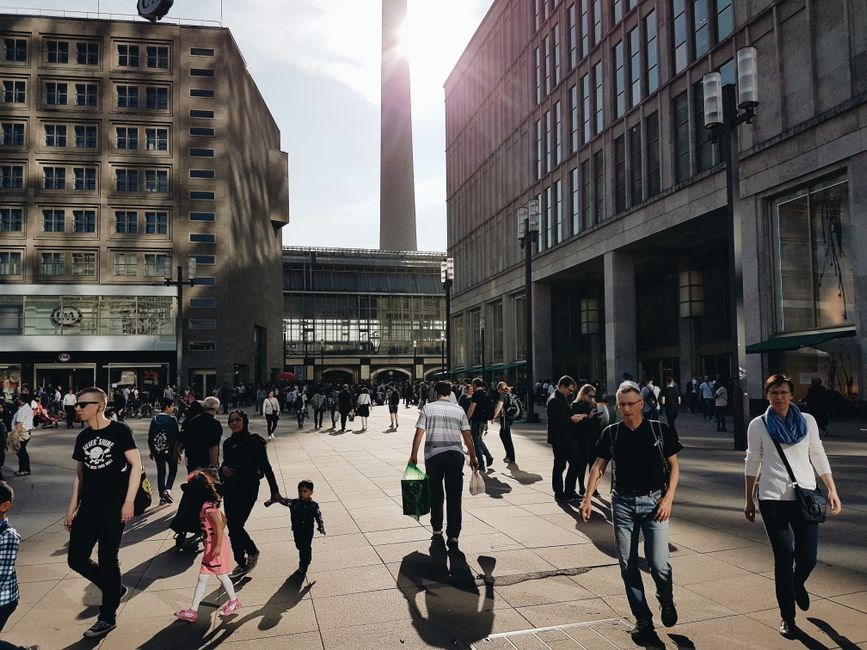
Food and Dining in the City
Urban diners crave quick, flavorful street food, vibrant food trucks, and diverse cuisines. Mobile ordering, real‑time menus, and social media buzz drive choices. Sustainable ingredients, local sourcing, and health‑conscious options rise in popularity, reflecting the city’s dynamic culinary culture. Fresh. Taste.
Street Food and Food Trucks
Urban consumers flock to street food stalls and mobile kitchens for quick, affordable, and culturally diverse meals. The rise of food trucks has transformed cityscapes, offering gourmet tacos, artisanal burgers, vegan bowls, and fusion dishes that cater to adventurous palates. These vendors rely on social media buzz, real‑time menus, and mobile payment apps to attract foot traffic. Food trucks often collaborate with local farms, ensuring fresh, seasonal ingredients that resonate with health‑conscious diners. The convenience factor—short wait times, on‑the‑go service, and flexible locations—makes them a staple for commuters, students, and night‑life crowds. Many trucks participate in city festivals, pop‑up markets, and pop‑up pop‑ups, creating a dynamic culinary ecosystem that supports entrepreneurship and community engagement. Regulations around permits, health inspections, and parking zones shape the industry, yet many cities are adopting supportive policies to encourage innovation. Data shows that consumers value authenticity, price transparency, and sustainability, prompting vendors to showcase origin stories and eco‑friendly packaging. The trend toward “food truck hubs”—designated zones where multiple trucks cluster—enhances the social experience, turning a simple meal into a communal event. As technology evolves, augmented reality menus, AI‑driven recommendation engines, and contactless delivery options are becoming standard, further blurring the line between street food and high‑end dining. In short, street food and food trucks are not just a trend; they are a cornerstone of urban culinary culture, reflecting the city’s diversity, resilience, and appetite for innovation.
Food trucks also experiment with seasonal menus, pop‑up collaborations, and community‑sourced recipes, turning each outing into a culinary adventure. Many vendors now offer subscription plans, allowing regular customers to pre‑order and enjoy exclusive discounts. Cities are creating dedicated truck zones, rotating fleets to keep offerings fresh and support local entrepreneurship. Eco‑friendly packaging and transparent ingredient sourcing resonate with eco‑conscious diners, while digital displays provide real‑time nutritional data. The result is a vibrant, socially engaging food scene that blends convenience with culture. Flavor meets community daily. Urban diners savor this vibrant mix.

Restaurant Delivery Ecosystem

Urban consumers rely on a sophisticated delivery network that blends technology, logistics, and culinary variety. Major platforms partner with local restaurants, offering real‑time tracking, AI‑driven order suggestions, and dynamic pricing that reflects demand spikes during lunch and dinner hours. Mobile apps integrate contactless payment, loyalty points, and personalized menus, making ordering seamless for busy professionals and students alike.
Delivery fleets—ranging from electric scooters to autonomous vehicles—are optimized through route‑planning algorithms that reduce wait times and carbon footprints. In many cities, municipalities provide dedicated “delivery lanes” and parking spots to streamline traffic flow and improve service reliability. Restaurants use data analytics to adjust menu offerings, prep times, and inventory, ensuring freshness and minimizing waste.
The ecosystem also supports niche services such as meal‑prep kits, vegan and allergen‑specific menus, and subscription boxes that deliver weekly curated meals. Social media influencers and user reviews drive brand visibility, while regulatory frameworks around food safety, driver wages, and data privacy shape industry standards.
As urban populations grow, the delivery ecosystem continues to evolve, integrating drone delivery trials, blockchain‑based supply chains, and AI‑powered customer support. This dynamic environment keeps consumers connected to their favorite cuisines while prioritizing speed, sustainability, and transparency.
Customers value updates, packaging, delivery windows. Partnerships with farms initiatives enhance appeal, creating a cycle benefiting businesses and the community.
Growth follows.
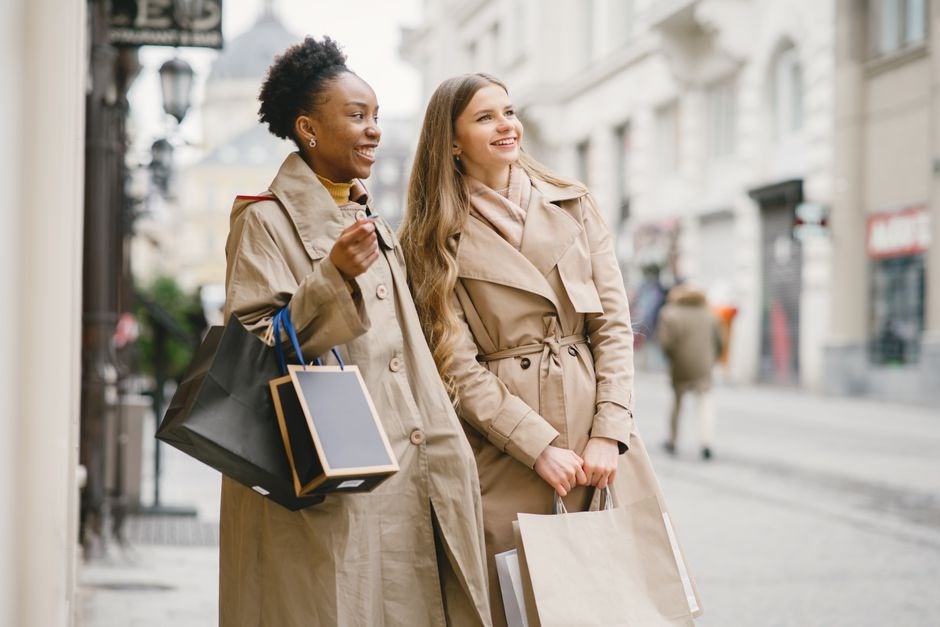
Shopping and Retail Dynamics
Urban shoppers favor experiential malls, pop‑ups, and digital overlays. QR‑enabled aisles, AR try‑ons, and instant checkout reduce friction. Sustainable brands, local artisans, and subscription boxes dominate. Data‑driven inventory syncs supply with real‑time demand, cutting waste. Urban shoppers value curbside.
Local Boutiques and Pop‑Up Shops
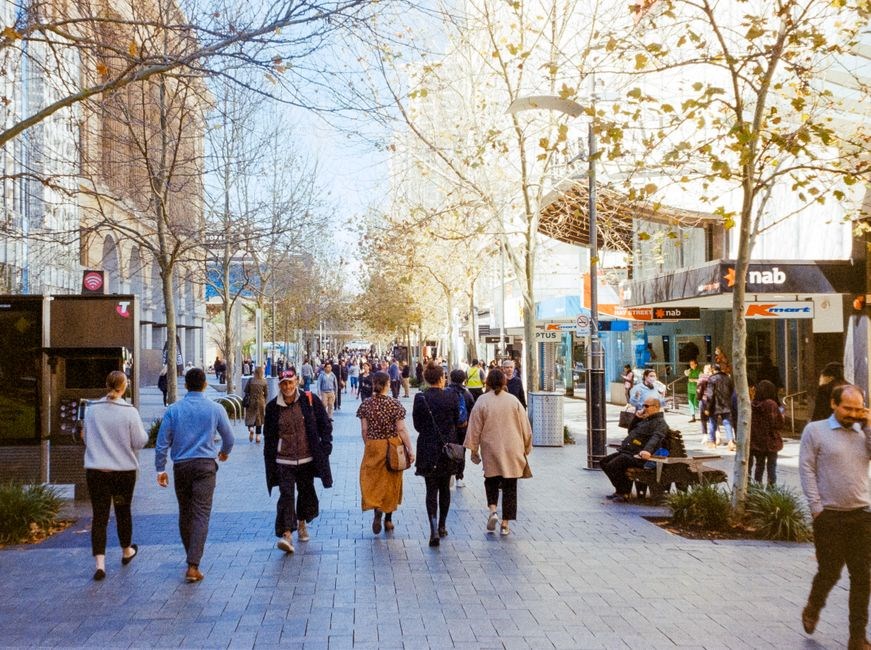
Urban shoppers crave unique, tactile experiences that resonate with local culture. Pop‑up shops, often hosted in vacant storefronts or transit hubs, provide curated selections of emerging designers, streetwear, and artisanal goods. These temporary venues create urgency and exclusivity, encouraging impulse purchases and social media buzz. Local boutiques, meanwhile, anchor neighborhoods with a steady mix of fashion, home décor, and niche services. They thrive on personal relationships, in‑store events, and community storytelling. In 2026, many boutiques integrate digital tools—QR codes for product details, mobile payment kiosks, and AR overlays that let shoppers visualize items in their own space. This hybrid model satisfies the tech‑savvy consumer while preserving the tactile, human touch that defines the boutique experience. Sustainability is a key driver; consumers increasingly support brands that prioritize ethical sourcing, circular fashion, and transparent supply chains. Pop‑ups often showcase up‑and‑coming eco‑labels, offering limited‑edition pieces that reinforce a sense of exclusivity and environmental responsibility. Social media platforms, especially Instagram and TikTok, amplify these local offerings. Influencers and micro‑influencers collaborate with boutiques to host live shopping events, behind‑the‑scenes tours, and flash sales. These collaborations generate real‑time engagement and drive foot traffic to physical locations. The rise of “experience‑commerce” means that pop‑ups and boutiques are more than retail spaces; they are community hubs where music, art, and pop culture intersect. Events such as pop‑up markets, local fashion shows, and pop‑culture festivals attract diverse crowds, fostering cross‑generational interaction. Data analytics help boutique owners track footfall, conversion rates, and customer preferences, enabling them to tailor inventory and marketing strategies. In turn, consumers receive personalized recommendations, loyalty rewards, and curated product bundles that reflect their style and values. The synergy between digital convenience and local authenticity defines the modern urban shopping ecosystem, ensuring that boutique and pop‑up shops remain vital components of city life. They also host artists, adding depth.
Moreover, many boutiques now host repair workshops, upcycling classes, and swap events, turning shopping into a participatory lifestyle choice. Pop‑ups partner with local artisans for live demos—hand‑stitched leather, custom jewelry, organic skincare—offering deeper craft connections. While tactile experiences remain irreplaceable, QR codes link to behind‑the‑scenes videos, designer interviews, and sustainability reports, letting shoppers make informed choices instantly. This blend of sensory and informational engagement strengthens loyalty and encourages repeat visits!!!.
E-commerce and Online Marketplaces
Urban shoppers increasingly rely on e‑commerce platforms that blend speed, personalization, and trust. In 2026, the most visited marketplaces—Amazon, Etsy, and niche fashion sites—offer real‑time inventory updates, AI‑driven recommendations, and seamless checkout via mobile wallets. Urban consumers value privacy, so secure VPN services such as Urban VPN Proxy are often used to protect transaction data while browsing. Social proof remains critical; Instagram and TikTok influencers post unboxing videos and product reviews that directly feed into marketplace algorithms, boosting visibility for emerging brands. Many marketplaces now support “buy‑now‑pay‑later” options, allowing consumers to split payments over 30‑60 days, a feature that aligns with the cash‑flow habits of city dwellers. Delivery logistics have evolved: same‑day micro‑fulfillment centers, drone drops, and autonomous lockers reduce wait times to under an hour in dense urban cores. Return policies are also more consumer‑friendly, with free return shipping and in‑store pickup options that cater to busy schedules. Sustainability is a growing concern; platforms highlight carbon‑neutral shipping, recyclable packaging, and transparent supply chains. Loyalty programs reward repeat purchases with points that can be redeemed for exclusive discounts or early access to limited‑edition drops. Data privacy regulations, such as GDPR and the upcoming Digital Markets Act, require marketplaces to obtain explicit consent for data usage, prompting the adoption of privacy‑by‑design features. Finally, the integration of augmented reality (AR) tools lets shoppers virtually try on apparel or visualize furniture in their living spaces, bridging the gap between online convenience and tactile confidence. Together, these features shape a consumer‑centric ecosystem that prioritizes speed, security, and sustainability, ensuring that urban shoppers can shop online with confidence and style. Customers appreciate the integration of AI chatbots that handle queries instantly.